how to ship my car

Shipping your car can seem like a daunting task, but with the right information, the process can be smooth and stress-free․ Whether you are moving cross-country or internationally, understanding the steps involved in car transportation, choosing the right shipping company, and knowing what to expect can ease your concerns․ This article will guide you through the essentials of auto transport․
Understanding Auto Transport and Vehicle Shipping
Auto transport, also known as vehicle shipping, involves transporting your car from one location to another using a shipping company․ This service is essential if you’re relocating, buying a car from a different state, or planning a long-term trip․ The key to a successful car transportation experience is choosing a reliable shipping company and understanding the different services they offer․
Choosing the Right Shipping Company
When selecting a shipping company, consider their reputation, reviews, and the range of services they provide․ Look for companies that offer:
- Car Hauler and Transport Carrier Options: Ensure the company has a fleet of car haulers or works with a network of transport carriers to provide flexible options․
- Door-to-Door Delivery: This service ensures your car is picked up from your specified location and delivered directly to your destination, minimizing inconvenience․
- Insurance Coverage: Verify that the company offers comprehensive insurance coverage to protect your vehicle during transit․
- Tracking Service: Real-time tracking allows you to monitor the vehicle’s progress, giving you peace of mind․
Types of Car Shipping Services
Car shipping services can be broadly categorized into open and enclosed carrier options․ Each has its advantages and is suited to different needs:
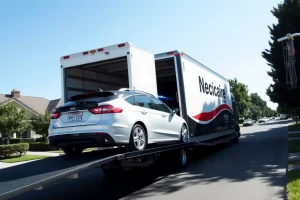
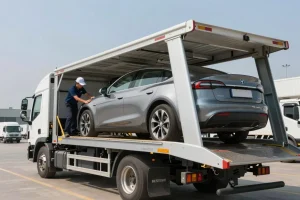
- Open Carrier: This is the most common and cost-effective method, where cars are transported on an open trailer; It is suitable for standard vehicles and offers savings on shipping costs;
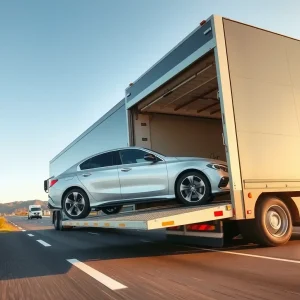
- Enclosed Carrier: This option provides extra protection by transporting the car in an enclosed trailer, shielding it from weather and road debris․ It is ideal for luxury, classic, or high-value vehicles․
Shipping Costs and Delivery Time
The cost of car transportation varies based on several factors, including distance, type of service, and vehicle size․ Typically, longer distances and enclosed transport options increase the shipping costs․ Delivery time also depends on these factors, along with the pickup and drop-off locations․
Factors Influencing Shipping Costs
- Distance: Longer distances naturally incur higher costs․
- Service Type: Enclosed carriers are more expensive than open carriers․
- Vehicle Size and Weight: Larger vehicles cost more to ship․
- Season and Demand: Prices may fluctuate based on demand and time of year․
Estimating Delivery Time
Delivery time for car shipping can range from a few days to several weeks, depending on the distance and the shipping route․ Cross-country shipping generally takes longer than regional or local moves․ It’s essential to discuss estimated delivery windows with your chosen shipping company․
The Booking Process: From Pickup to Drop-Off
The booking process for car transportation involves several steps, each crucial for ensuring a hassle-free experience․
Step 1: Request Quotes and Compare
Start by gathering quotes from multiple shipping companies․ Compare their services, pricing, and customer reviews to make an informed decision․
Step 2: Book with a Transport Broker or Directly with a Carrier
You can choose to book through a transport broker, who will find a carrier for you, or directly with a transport carrier․ Brokers can offer more options, while direct bookings might be more straightforward․
Step 3: Prepare Your Vehicle for Shipping
- Clean Your Car: A clean vehicle makes it easier to perform a vehicle inspection․
- Remove Personal Items: Shipping companies generally do not insure personal belongings left in the car․
- Perform a Vehicle Inspection: Document the condition of your car before shipping to ensure any damages can be identified․
Step 4: Coordinate Pickup and Drop-Off Locations
Work with the shipping company to arrange a convenient pickup location and drop-off location․ Ensure the locations are accessible for the car hauler and allow enough space for loading and unloading․
Insurance Coverage and Vehicle Inspection
Insurance coverage is a crucial aspect of car transportation․ Ensure the shipping company provides adequate coverage for any potential damages during transit․ Additionally, conduct a thorough vehicle inspection before and after shipping to document the condition of your car․
Understanding Insurance Coverage
Discuss the specifics of the shipping company’s insurance policy․ Know what is covered and any exceptions․ It’s advisable to have your own car insurance policy in place as well, to cover additional risks․
Conducting Vehicle Inspections
Before shipping, perform a detailed inspection of your vehicle, noting any existing damages․ Take photographs from multiple angles for documentation․ Upon delivery, inspect the vehicle again to confirm its condition and report any new damages immediately․
International Shipping Considerations
If you need to ship your car overseas, international shipping adds an extra layer of complexity․ It involves additional regulations, customs documentation, and possibly longer delivery times․ Work with a shipping company experienced in international vehicle shipping to navigate these challenges․
Shipping your car doesn’t have to be a stressful experience․ By understanding the process, choosing a reputable shipping company, and preparing your vehicle properly, you can ensure a smooth and successful car transportation experience․ Whether you’re moving cross-country or internationally, this guide provides you with the essential information you need to ship your car confidently․









Post Comment