How much to ship a car 1000 miles
Car shipping is a crucial consideration for anyone looking to relocate their vehicle across significant distances. Whether you’re moving to a new city or purchasing a vehicle from afar, understanding the costs involved in auto transport is essential. This article delves into the factors influencing vehicle shipping costs over a distance of 1000 miles, providing insights into distance-based pricing, available transportation services, and the role of logistics in the process.
The Basics of Car Shipping
Car shipping involves transporting a vehicle from one location to another using professional services. These services are typically provided by shipping companies that specialize in auto transport. The cost of car shipping can vary significantly depending on several factors, and it’s essential to get accurate shipping quotes to plan your budget effectively.
Factors Influencing Vehicle Shipping Cost
- Distance: The primary factor affecting the cost of shipping a car is the distance it needs to travel. For a 1000-mile journey, distance-based pricing becomes a critical component of the overall cost.
- Vehicle Type: The size and weight of the vehicle can influence the cost. Larger and heavier vehicles may incur higher freight charges.
- Transport Type: Choosing between open transport and enclosed transport can impact the price. Enclosed transport offers more protection but is generally more expensive.
- Pickup and Delivery Locations: Door-to-door service is typically more convenient but can be pricier than terminal-to-terminal options;
- Time of Year: Seasonal demand can affect prices, with higher costs often seen during peak moving seasons.
- Insurance: Transport insurance is crucial for protecting your vehicle during transit and can add to the overall cost.
Understanding Distance-Based Pricing
Distance-based pricing is a common method used by shipping companies to determine the cost of transporting a vehicle. Essentially, the greater the distance, the higher the mileage rates applied. For a 1000-mile journey, you can expect a mid-range cost that balances efficiency and affordability. It’s important to compare shipping quotes from different providers to ensure you get the best deal.
Types of Transportation Services
When considering car shipping, you have several transportation service options to choose from, each with its pros and cons:
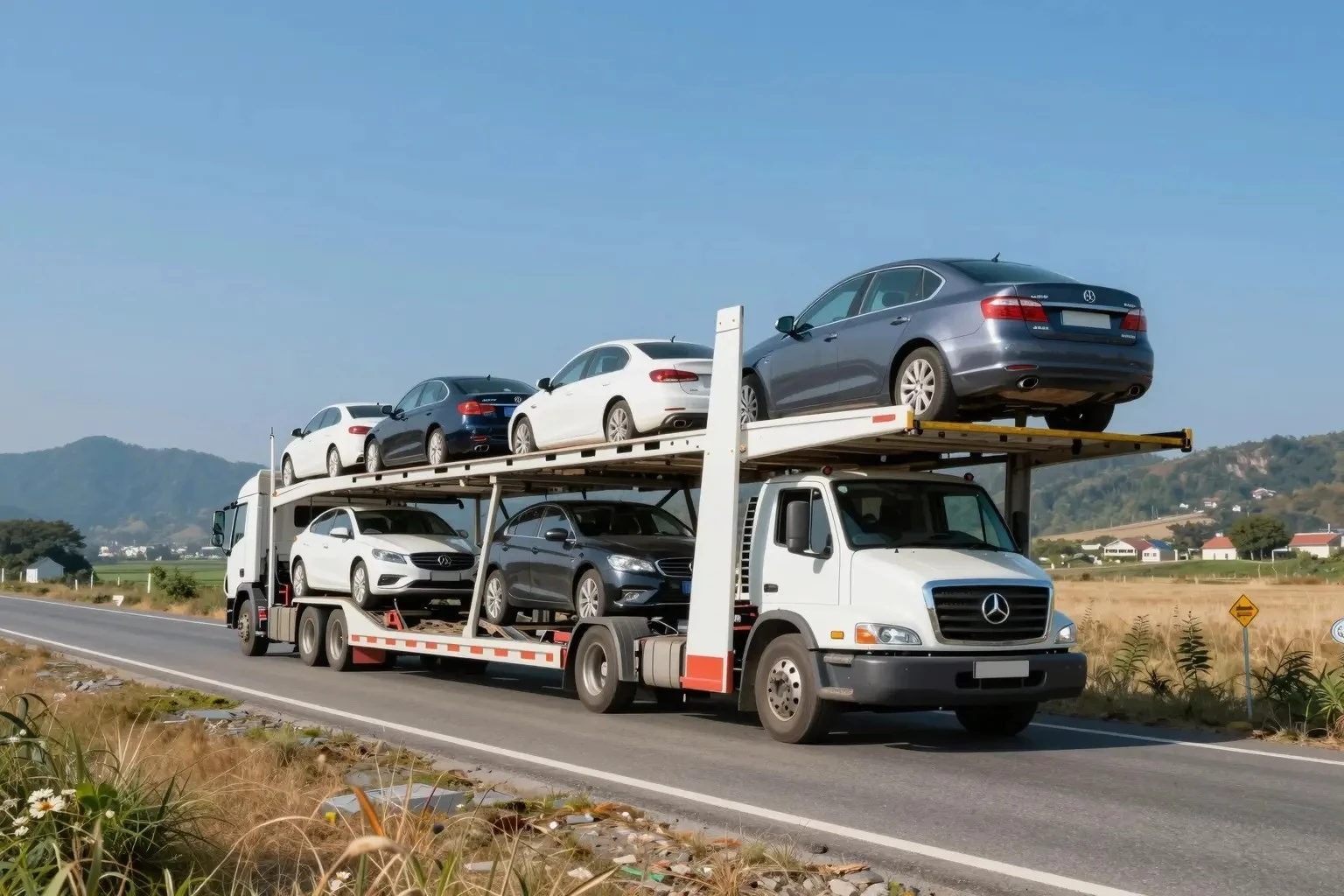
Open Transport
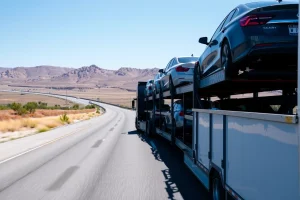
Open transport is the most common method for car shipping. Vehicles are loaded onto an open carrier, which is cost-effective and widely available. However, vehicles are exposed to the elements, which might not be ideal for high-value or classic cars.
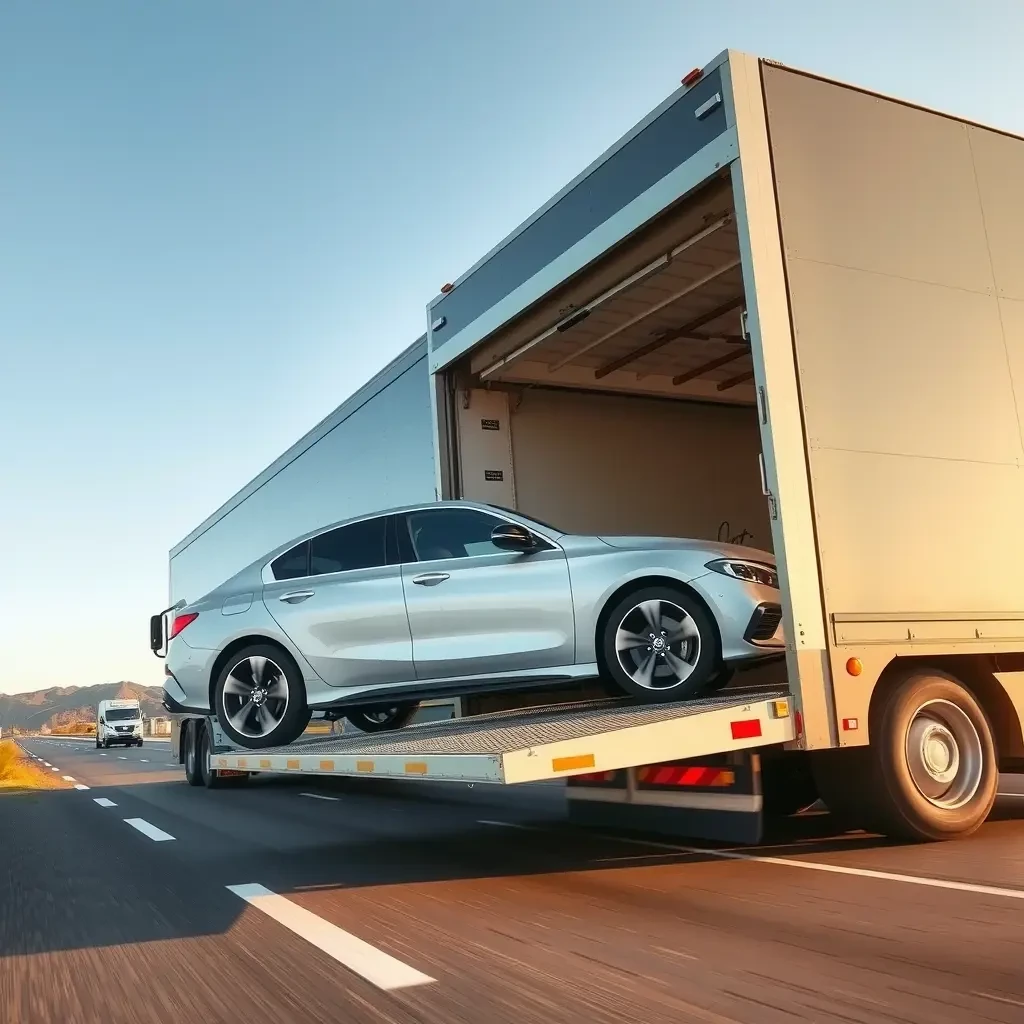
Enclosed Transport
Enclosed transport offers added protection as vehicles are transported in an enclosed trailer. This option is suitable for luxury, exotic, or antique vehicles that require extra care. While more expensive, it provides peace of mind against weather and road debris.
Door-to-Door Service vs. Terminal-to-Terminal
Door-to-door service means the vehicle is picked up from and delivered directly to specified locations, providing convenience but potentially at a higher cost. Terminal-to-terminal service requires the vehicle to be dropped off and picked up from designated terminals, which can save money but might be less convenient.
Getting Accurate Shipping Quotes
To get a precise estimate for shipping your car 1000 miles, it’s advisable to request shipping quotes from multiple car carriers. This allows you to compare prices and services, ensuring you select the best option for your needs. Be sure to inquire about any additional fees, such as those for expedited delivery or specific pickup and delivery windows.
Logistics and Car Carriers
Carriers play a pivotal role in the logistics of vehicle relocation. They handle the transport logistics, ensuring that vehicles are loaded, transported, and delivered efficiently. Working with reputable car carriers can make a significant difference in the overall experience and cost.
Insurance and Safety Considerations
During cross-country car shipping, having adequate transport insurance is vital. It protects your vehicle against potential damage during transit. Always verify the insurance coverage provided by the shipping company and consider additional coverage if necessary.
Interstate Vehicle Transport Regulations
Interstate vehicle transport involves adhering to various regulations and legal requirements. Ensure the shipping company complies with all necessary laws and holds the required licenses and insurance to operate.
Shipping a car 1000 miles involves understanding the nuances of vehicle transport, from selecting the right transportation service to obtaining accurate shipping quotes. By considering factors like distance-based pricing, type of transport, and insurance, you can make informed decisions that suit your budget and needs. Whether opting for open transport or enclosed transport, door-to-door service, or terminal-to-terminal, the goal is to ensure a smooth and cost-effective car delivery process.







Post Comment