A car ship
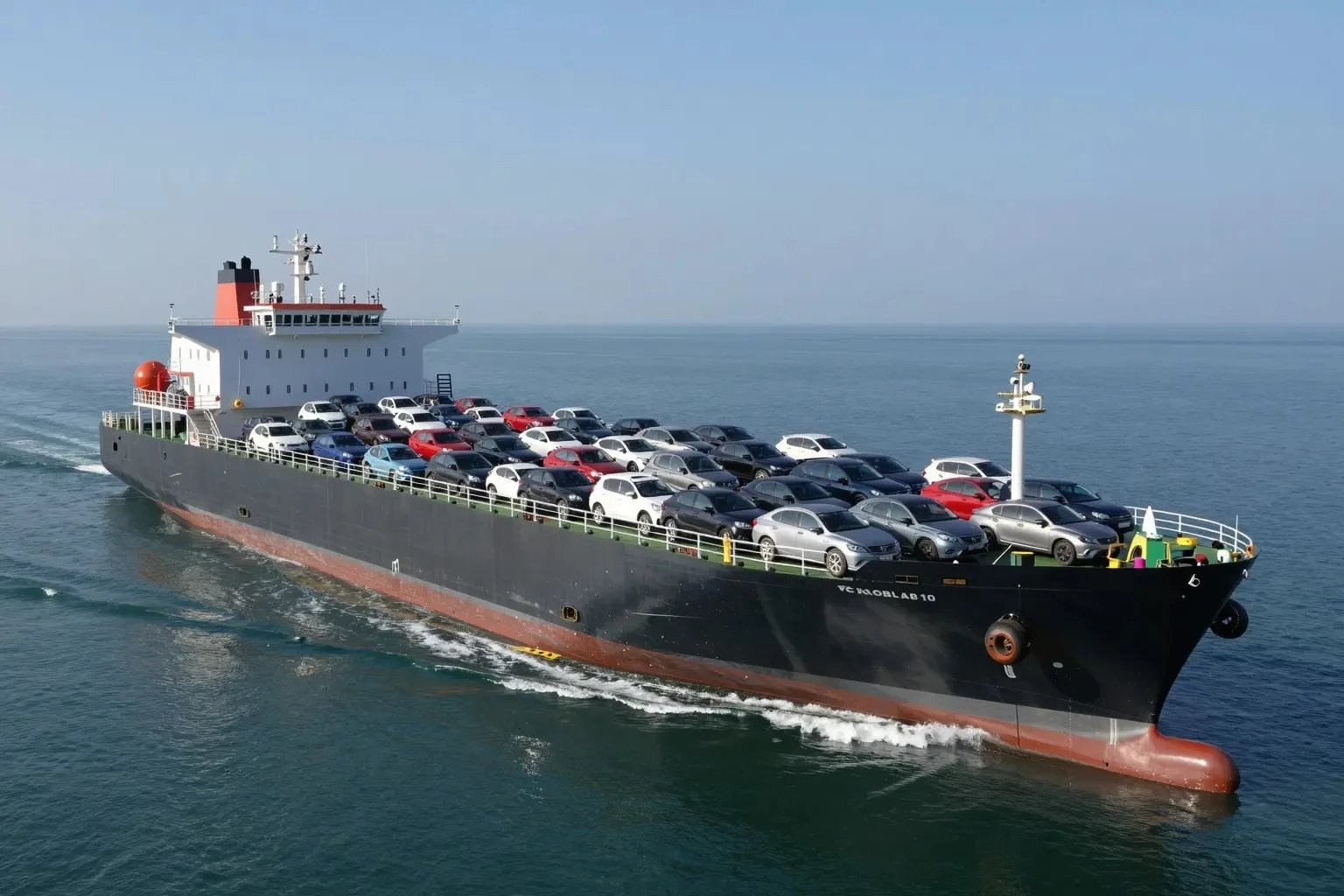
In the world of maritime transport‚ the concept of a car ship plays a pivotal role. These specialized vessels are designed to carry automobiles across vast ocean distances‚ making them integral to the shipping industry. As global trade continues to expand‚ the demand for efficient automobile transport has only increased‚ highlighting the importance of these remarkable ships.
The Design and Function of Car Ships
Car ships‚ also known as “Roll-on/Roll-off” (RoRo) vessels‚ are a marvel of modern engineering. Their unique design allows for cargo such as cars and trucks to be driven on and off the ship with ease. This makes the process of loading and unloading much faster compared to traditional container ships‚ where vehicles would need to be craned on and off.
Structure and Capacity
These vessels are equipped with multiple decks‚ often reaching up to 12 or more‚ to maximize their cargo capacity. Each deck is designed to withstand the weight and size of various automobiles‚ from small cars to large trucks and buses. The decks are connected by internal ramps‚ facilitating seamless movement of vehicles between levels.
Loading and Unloading Process
The loading and unloading process is a carefully orchestrated operation. Vehicles are driven onto the ship at the dock and secured in place to prevent movement during transit. Upon arrival‚ the process is reversed‚ and the vehicles are driven off‚ ready for distribution. This efficiency is crucial in logistics management‚ ensuring timely delivery of import and export goods.
Navigation and Crew Management
Navigating a car ship requires expert knowledge of sea routes and conditions. The crew is responsible for ensuring the vessel adheres to the planned route‚ avoiding adverse weather conditions that could jeopardize the cargo’s safety. Advanced navigation systems and regular training equip the crew to handle these challenges effectively.
Role of the Crew
The crew on a car ship is tasked with a range of responsibilities‚ from maintaining the vessel’s operational systems to ensuring the safety of the cargo. Their expertise in navigation and ship management is vital for successful voyages across the ocean.
The Economic Impact of Car Shipping
Car ships are a cornerstone of the automobile industry’s global logistics network. By facilitating efficient trade of vehicles between countries‚ they contribute significantly to economic growth. Countries with thriving export markets for vehicles‚ such as Japan and Germany‚ rely heavily on these vessels to reach international markets.
Global Trade and Sea Routes
The choice of sea routes plays a crucial role in the efficiency of car shipping. Strategic planning ensures that freight reaches its destination in the shortest possible time‚ reducing costs and environmental impact. Major trade routes‚ such as the Panama Canal and the Suez Canal‚ are pivotal in connecting manufacturers with consumers worldwide.
Challenges and Innovations
Despite their efficiency‚ car ships face several challenges. Environmental concerns have prompted the industry to innovate and develop more sustainable practices. The introduction of eco-friendly fuels and the design of more efficient engines are some of the advancements aimed at reducing the carbon footprint of these vessels.
Future Developments
As technology advances‚ the future of car shipping looks promising. Automation in the loading and unloading processes‚ along with the development of autonomous ships‚ could revolutionize the industry. These innovations promise to enhance efficiency and safety‚ paving the way for a new era in maritime transport.











Post Comment