how expensive is it to ship a car
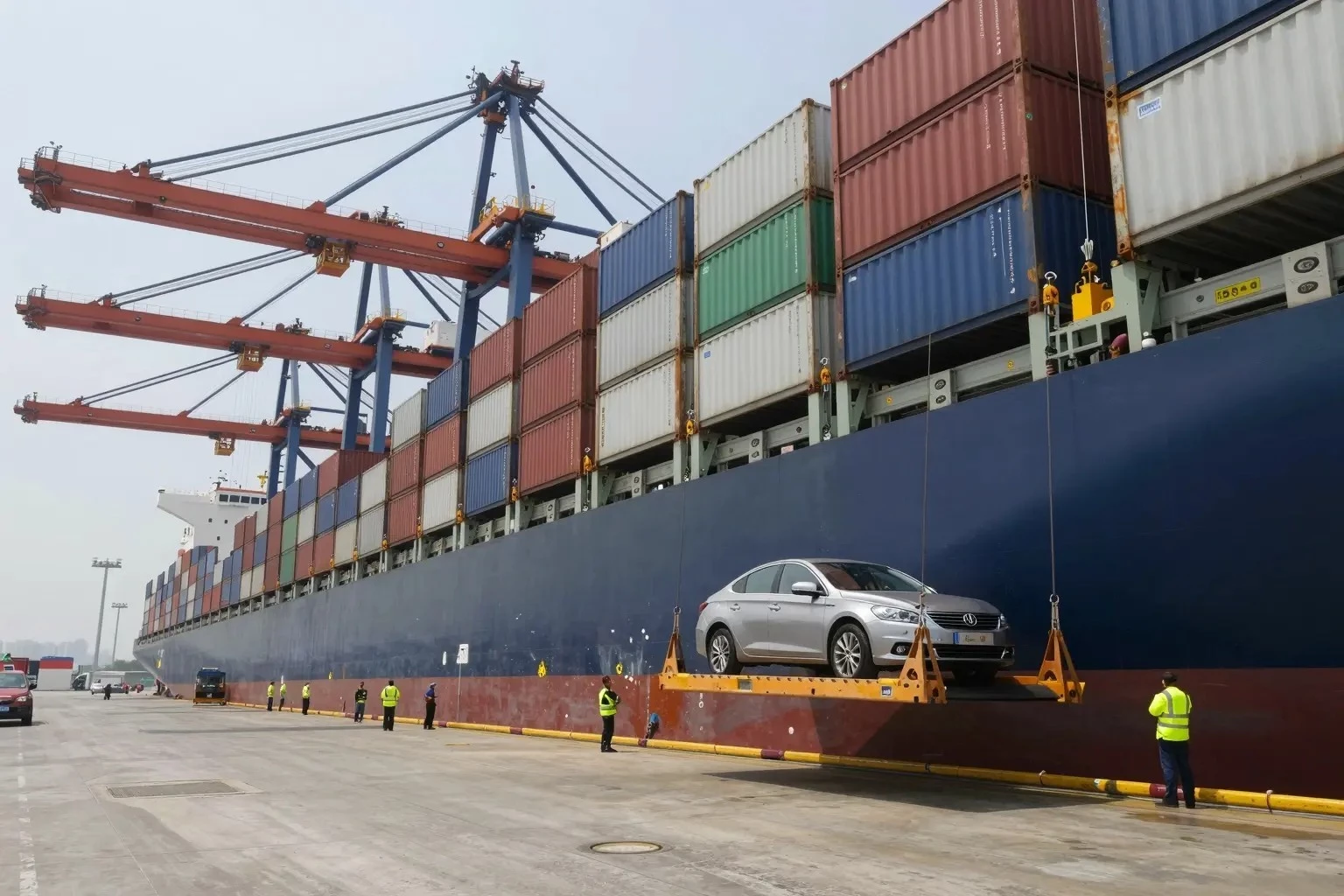
Shipping a car across distances, whether domestically or internationally, involves a myriad of factors that contribute to the overall auto transport costs. Understanding these elements can help in making informed decisions when considering car transport services.
Factors Influencing Vehicle Shipping Cost
The vehicle shipping cost is determined by several key factors. These include:
- Transport Distance: The distance between the pickup and delivery locations is a fundamental determinant of cost. Longer distances naturally incur higher costs due to increased fuel consumption and time.
- Carrier Type: Whether you choose an enclosed carrier or an open carrier will significantly affect your costs. Enclosed carriers provide more protection but are more expensive than open carriers, which are more common and cost-effective.
- Vehicle Size and Weight: Larger and heavier vehicles cost more to transport due to the increased space and weight they occupy.
- Shipping Quotes: It is advisable to request multiple shipping quotes from various providers to get a competitive rate.
- Delivery Time: Expedited shipping options are available for faster delivery but come at a premium.
- Seasonal Rates: Rates may vary depending on the time of year. For instance, summer often sees higher demand and prices.
- Fuel Surcharges: Fluctuations in fuel prices can lead to additional charges.
- Insurance Coverage: Comprehensive coverage can protect against potential damages during transit but will increase the cost.
- Transport Regulations: Compliance with transport regulations can add to the cost, especially for international shipping.
Types of Car Transport Services
Open Carrier
An open carrier is the most common and budget-friendly option for many customers. It involves transporting the vehicle on an open trailer, which can accommodate multiple cars at once.
Enclosed Carrier
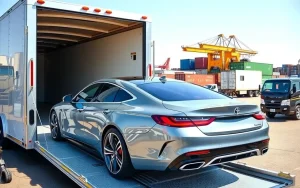
An enclosed carrier offers more protection, shielding vehicles from the elements and road debris. This option is ideal for luxury, antique, or high-value vehicles.
Door-to-Door Delivery
For convenience, door-to-door delivery ensures that the vehicle is picked up and delivered directly to specified locations, eliminating the need for the customer to travel to a terminal.
Terminal-to-Terminal Transport
In contrast, terminal-to-terminal transport is typically less expensive but requires the owner to drop off and pick up the car at designated terminals.
Considering Cross-Country Shipping
When contemplating cross-country shipping, it is crucial to weigh the pros and cons of cost versus convenience. The decision between using an enclosed carrier versus an open carrier, as well as opting for expedited versus standard delivery times, can significantly impact the overall expense.
International Shipping
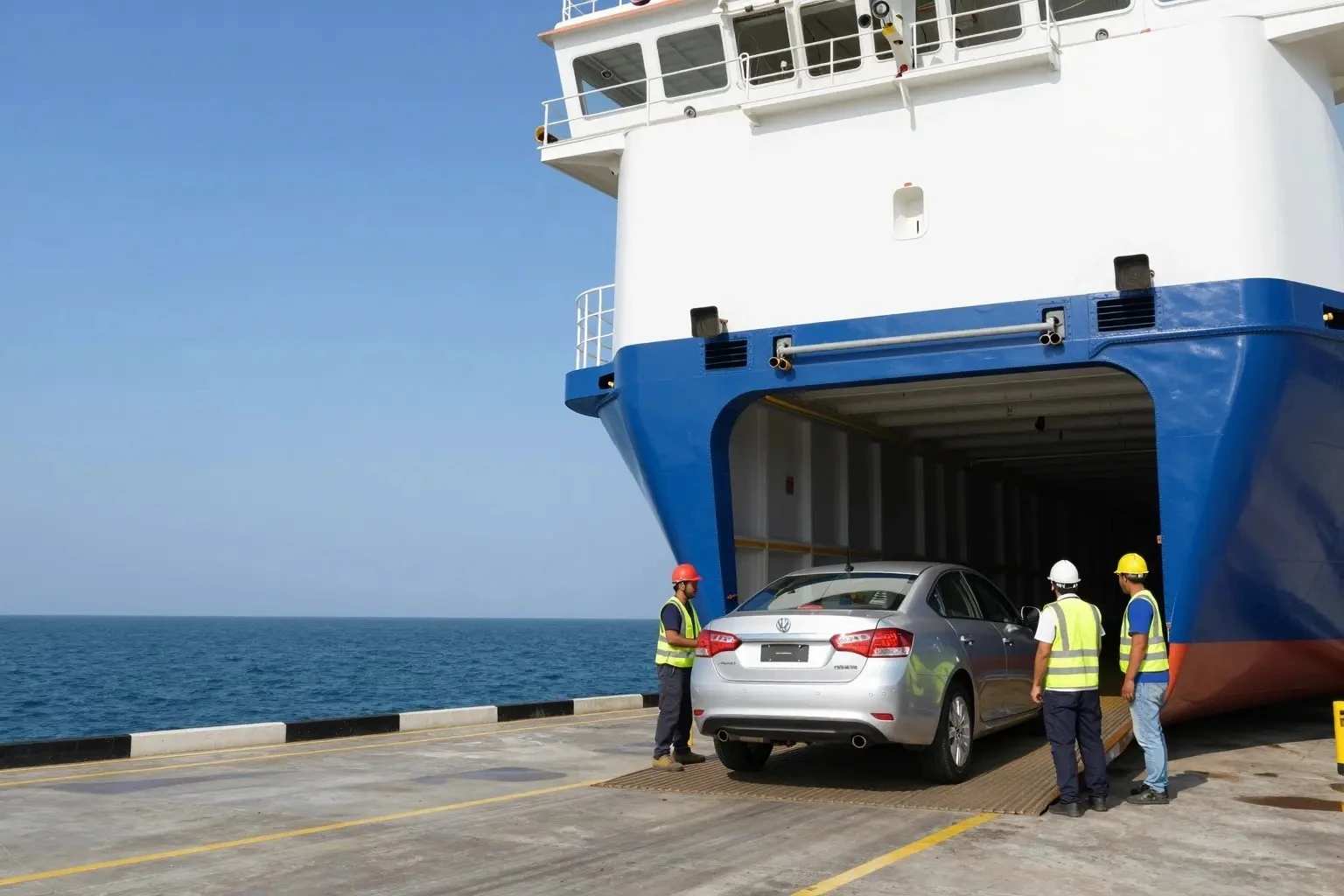
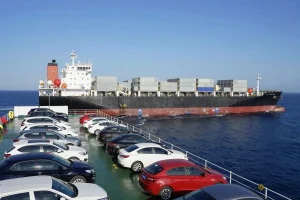
International shipping involves additional complexities such as customs clearance, compliance with international transport regulations, and potentially higher insurance coverage. These factors contribute to higher costs compared to domestic shipping.








Post Comment