how much would it cost to ship a car overseas
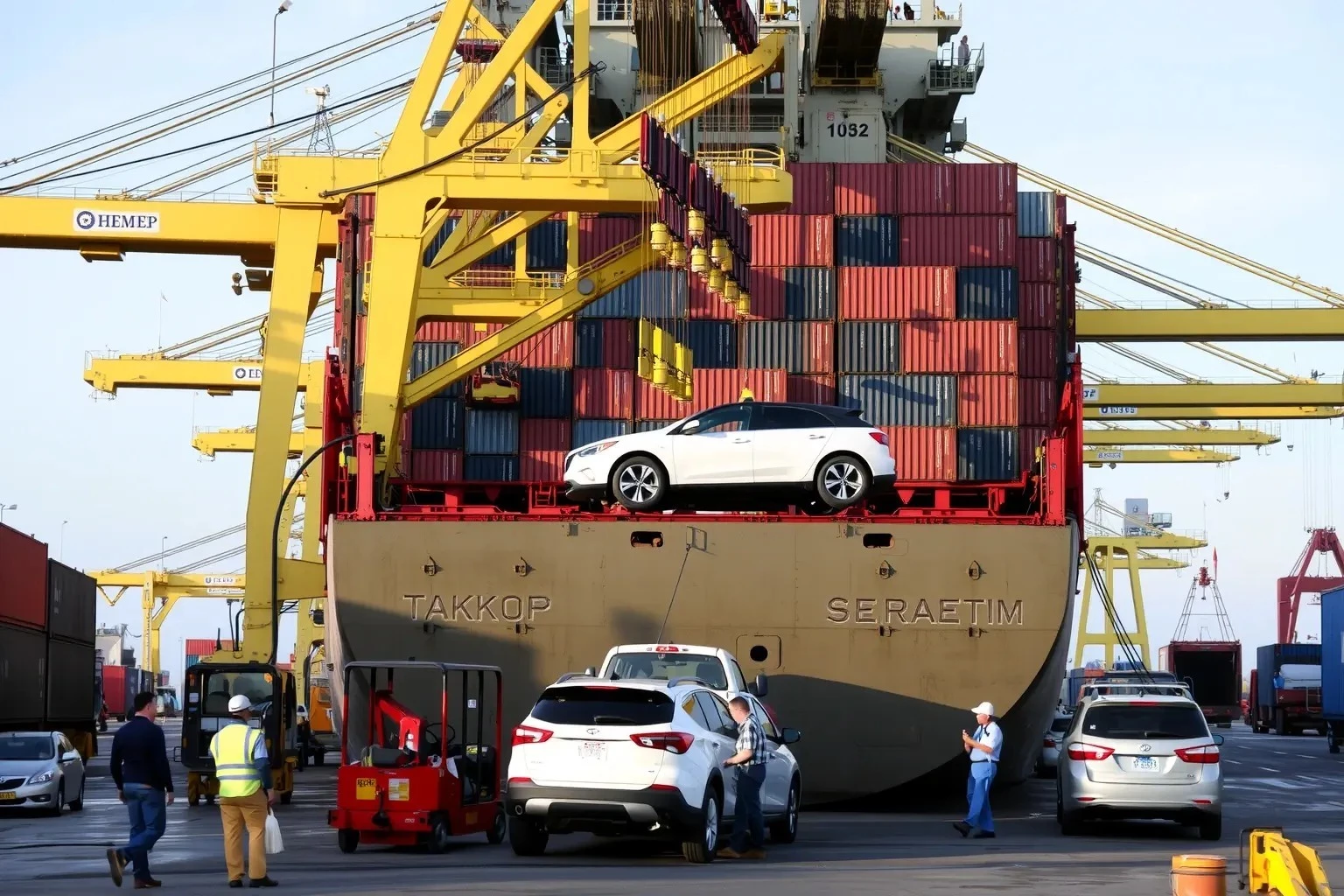
Shipping a car overseas involves a complex set of processes and variables that can significantly impact the final cost. Whether you’re relocating, selling a vehicle, or simply sending a car as a gift, understanding the various components that make up the shipping costs is crucial. This article will delve into the factors that influence international car shipping costs, including freight charges, import fees, export regulations, customs clearance, and more.
Key Factors Influencing Shipping Costs
The cost of shipping a car overseas can vary widely depending on several factors. Here are the primary components that determine the overall cost:
Freight Charges
Freight charges are the core component of the shipping costs. These are determined by the mode of transport—ocean freight being the most common for international car shipping. The charges vary based on the shipping method chosen, such as container shipping or roll-on/roll-off (RoRo) services. Container shipping usually offers more protection but is often more expensive compared to RoRo, where vehicles are driven onto the ship.
Shipping Insurance
Shipping insurance is recommended to protect your vehicle against any potential damages during transit. The cost of insurance will depend on the value of the car and the level of coverage chosen.
Port Fees
Port fees are charges that apply when the vehicle is loaded and unloaded at the ports. These fees can vary depending on the port and the country, affecting the overall shipping cost.
Import Fees and Export Regulations
Every country has its own import fees and export regulations that can influence the cost of shipping a car overseas. Import fees might include taxes and duties, which need to be calculated beforehand to avoid unexpected expenses.
Customs Clearance
Customs clearance is a critical part of the shipping process. It involves the documentation requirements and procedures necessary to clear the vehicle at the destination. The costs associated with customs clearance can vary significantly based on the destination country and its regulations.
Destination Charges
Destination charges are fees that are incurred once the vehicle arrives at its final port. These charges can include handling fees, storage fees, and any additional costs related to delivering the vehicle to its final destination;
Transit Time and Delivery Options
Transit time affects the cost of shipping as well. Faster shipping options tend to be more expensive. Additionally, delivery options such as door-to-door service will add to the cost compared to port-to-port delivery.
Choosing the Right Shipping Companies
Choosing a reliable shipping company is crucial to ensure a smooth and cost-effective shipping experience. It’s important to compare quotes from different shipping companies and evaluate their services, insurance options, and customer reviews. A reputable company will provide clear information about documentation requirements and assist with customs clearance.
Documentation Requirements
Proper documentation is essential for international car shipping. Key documents include the vehicle’s title, bill of sale, export declaration, and any import permits required by the destination country. Ensuring that all paperwork is complete and accurate can help avoid delays and additional costs.
The cost of shipping a car overseas is influenced by a multitude of factors, including shipping method, insurance, port fees, and customs regulations. By understanding these components and carefully selecting a shipping company, you can manage your expenses effectively and ensure a seamless vehicle transport process. Whether you choose container shipping or roll-on/roll-off, being informed about the potential costs and requirements will help you make the best decision for your international car shipping needs.













Post Comment